Tesla brought its first Giga Press online in 2020 at the...Continue reading→


Michigan Business – News – History
On November 10, 1975, the Great Lakes freighter SS Edmund Fitzgerald sank during a powerful storm on Lake Superior, taking all 29 crew members with it. While the vessel’s final voyage has been analyzed for decades, the human and community impact of the disaster extends well beyond the wreck site on the lakebed.
For the families of the crew, the tragedy unfolded without witnesses, survivors, or immediate answers. Unlike many maritime disasters, there were no distress calls clearly describing a failure, no lifeboats recovered, and no recovered bodies. This absence complicated grief, leaving families to mourn without the closure that physical evidence sometimes provides. In the weeks following the sinking, relatives relied on fragmented information, rumors, and delayed official explanations.
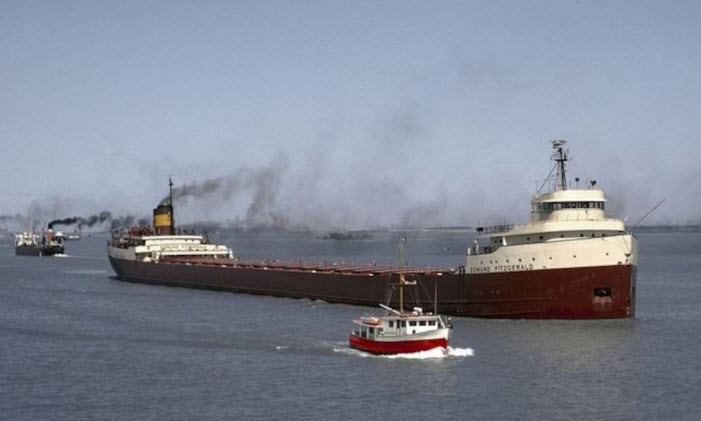
Many of the crew were long-serving lake sailors, some with family members who had worked the Great Lakes for generations. The loss disrupted multigenerational ties to the shipping industry, especially in ports such as Toledo, Detroit, and communities along Lake Superior’s southern shore. For some families, the sinking marked the abrupt end of a shared livelihood rooted in ore shipping, seasonal rhythms, and long absences followed by brief returns home.
At the community level, the disaster resonated strongly in port cities connected to the Edmund Fitzgerald’s regular routes. Mariners across the Great Lakes viewed the ship as a modern, well-built freighter, and its loss challenged assumptions about safety on inland seas. The idea that a large, steel-hulled vessel could vanish so completely unsettled sailors and dockworkers alike.
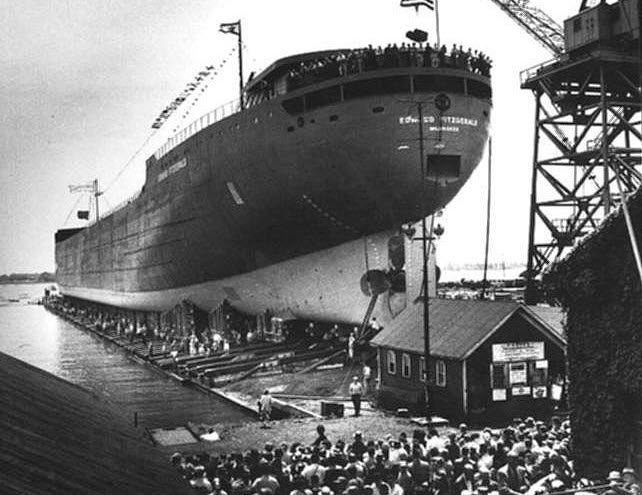
Local maritime organizations, unions, and churches became informal support networks for affected families. In several communities, memorial services were held without remains, relying instead on symbolic gestures—empty chairs, ship bells rung 29 times, and moments of silence timed to the estimated sinking. These rituals became important coping mechanisms, reinforcing communal bonds during a period of shared uncertainty.

Over time, the wreck also influenced how communities remembered maritime labor itself. The Edmund Fitzgerald came to represent the quiet risks faced by Great Lakes sailors, whose work was often perceived as safer than ocean-going shipping. This shift in perception affected how families discussed career choices with younger generations, particularly in regions where shipping had once been seen as stable, dependable work.
Another lesser-discussed impact involved communication practices between ships and shore. Families became more aware of how limited real-time information could be during emergencies. In the years following the disaster, many relatives of sailors described heightened anxiety during storms, even when loved ones were aboard different vessels. The sinking lingered psychologically, shaping how danger was imagined long after official investigations concluded.
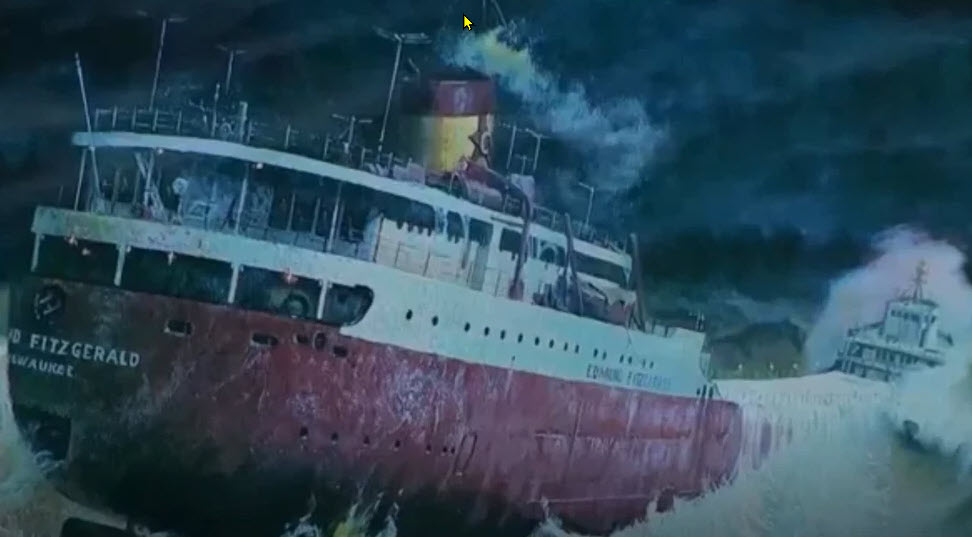
Community memory has remained strong. Annual commemorations, museum exhibits, and educational programs continue to emphasize the crew as individuals rather than statistics. Names, hometowns, and personal histories are central to how the tragedy is remembered, reflecting a deliberate effort to humanize the loss rather than reduce it to technical explanations of hull failure or weather conditions.
Nearly five decades later, the Edmund Fitzgerald remains embedded in Great Lakes identity. The wreck is not only a maritime case study but also a reference point for collective grief, resilience, and respect for those who worked the inland seas. For the families and communities left behind, the ship’s legacy is measured less in steel and sonar images than in lives interrupted and traditions forever altered.