"It is not that we have a short time to live, but that we waste a lot of it." - SenecaContinue reading


Michigan Business – News – History

"It is not that we have a short time to live, but that we waste a lot of it." - SenecaContinue reading
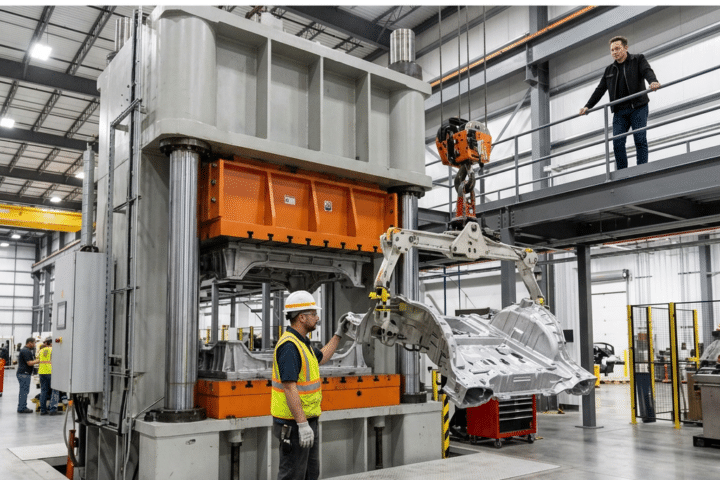
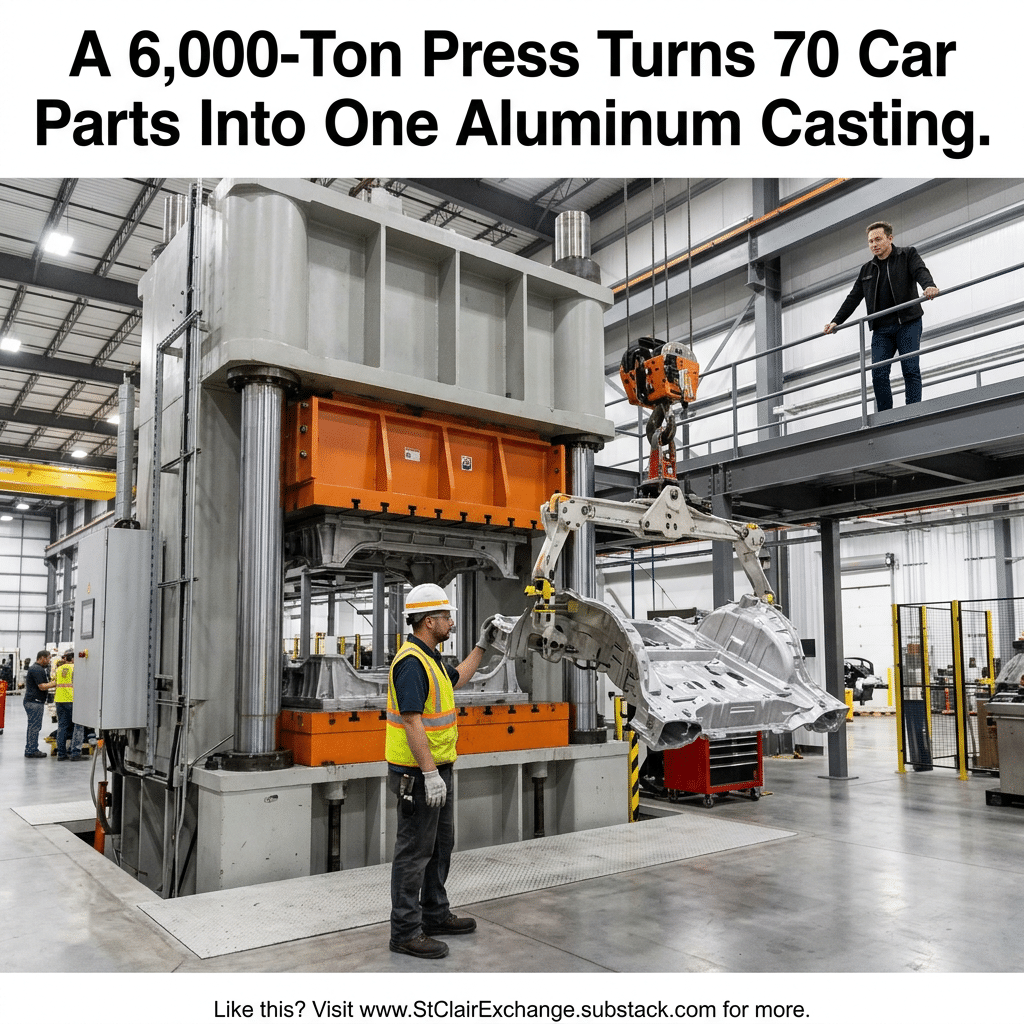
Tesla brought its first Giga Press online in 2020 at the Fremont plant. The machine clamps with roughly 6,000 tons of force and fires molten aluminum into a mold.Continue reading
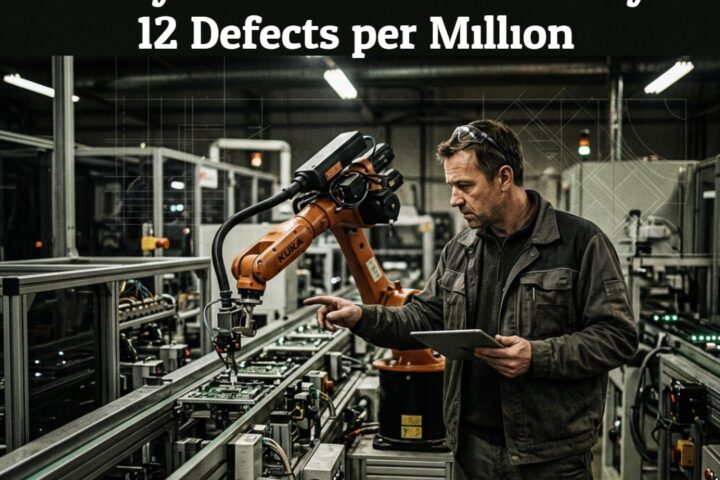
Siemens runs its Electronics Works in Amberg, Germany, where about 75% of the value chain is handled by machines and computers…Continue reading

 BodhiJack’s Pearls of Wisdom…