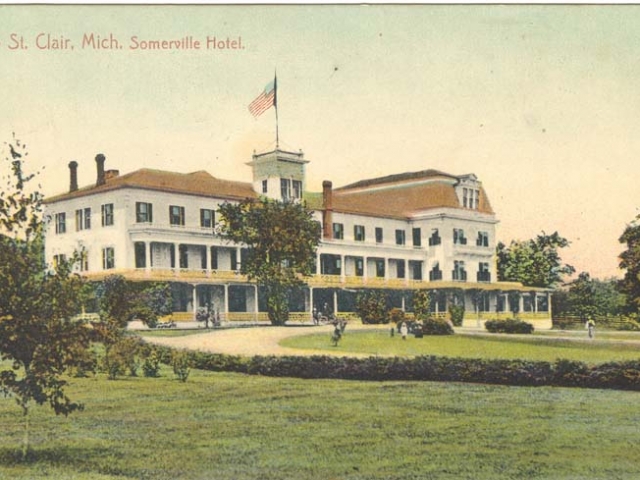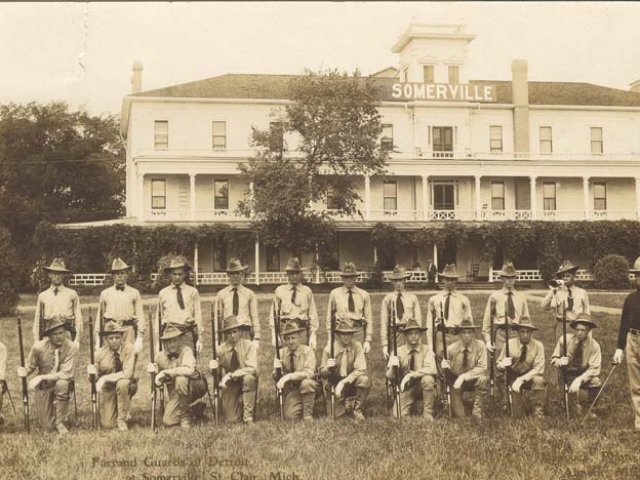
The Oakland and Somerville Hotels - Two Crown Jewels of St. Clair, Michigan's Resort Era

The Oakland Hotel - Building a Palace — Big Money, Big Dreams


Building a Palace — Big Money, Big Dreams

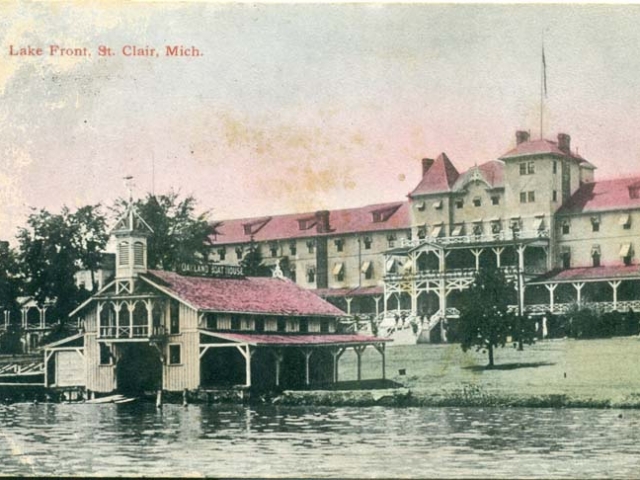
  • The Oakland Hotel was financed by the wealthy Hopkins family: patriarch Samuel Hopkins and his sons Mark Hopkins, William Hopkins and Orrin Hopkins. Their funds—coming in part from an inheritance linked to the railroad fortunes of “Big Four” fame—allowed them to invest $150,000 (a fortune at the time) to purchase 200 acres along the St. Clair River and build the resort.

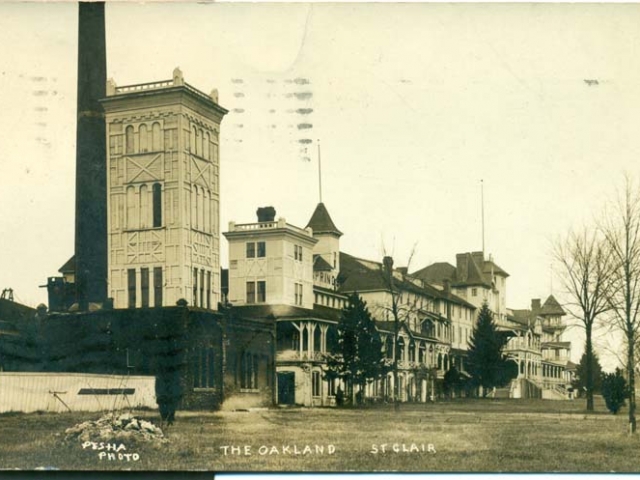
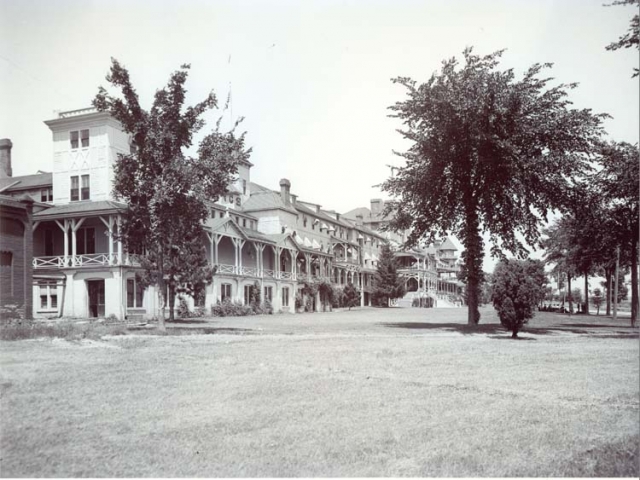
  • The hotel opened in 1881. It was a five-story, Swiss-style wooden structure — by many accounts one of the largest wooden buildings in the U.S. at the time.

  • In its first six weeks, the hotel welcomed roughly 1,000 guests. That clearly signaled the demand and popularity of upscale resort-style getaways in that era.


Lavish Amenities and Versatility

To say the Oakland was upscale is an understatement. Guests enjoyed:

  • A 465-foot veranda along the hotel and bathhouse — perfect for river views and socializing.

  • Hydraulic elevators (a luxury in the 1880s), gas and electric lighting (also unusual for many places), and private closets in rooms — features that set the hotel a notch above typical inns.

  • A pink-and-gold dining room that seated 150 people, a ladies’ dining area, a billiards room, barber shop, and a grand lobby with a massive fireplace.

  • Its own steamship dock and boathouse, letting vacationers arrive by steamer — a common mode of transport on the river-lake-steam route back then. Later, guests could also come by rail.

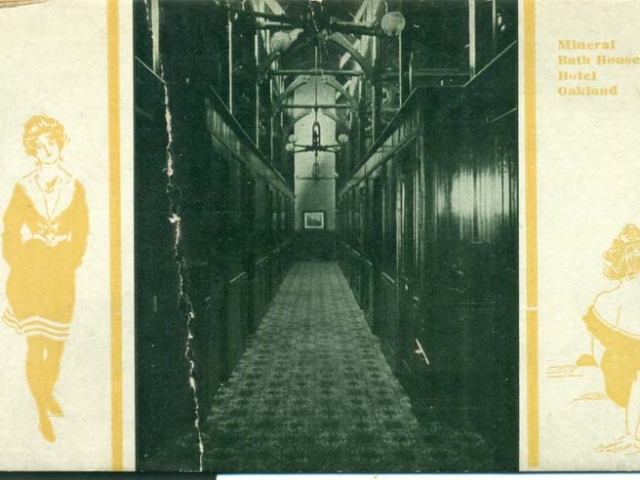
  • For the wellness-minded: the St. Clair Mineral Springs Baths — a bathhouse with 35 rooms, each with porcelain tubs and access to hot and cold mineral water; Turkish and plunge baths were offered. Mineral bathing was believed to have curative effects at the time.

  • A network of cottages across South Riverside (six in total) that could be rented for the summer season — giving guests a more private, “home-away-from-home” option rather than a hotel room.

Outside the hotel: lush grounds, river-side recreation, boating, and other leisure — all packaged as a getaway destination for the well-to-do.


Social Hub & Resort Town Anchor

Oakland Hotel wasn’t just a place to crash — it was a social center. Balls, dances, concerts on the veranda, dinners by the fireplace, smoking rooms, and socializing rooms made it a hub of activity for locals and visitors alike.

Because steamers stopped at its dock, it also plugged St. Clair into a wider network of travel and tourism. Guests from Detroit and other areas could reach the riverside resort directly, making it part of Michigan’s rising “escape-to-nature vacation circuit.”


Decline and Final Curtain

  • The earlier romanticism for mineral baths and grand resort-style hotels slowly faded in the early 1900s — tastes changed.

  • The hotel reportedly closed around 1911.

  • In 1915, a fire partially destroyed it, and in the 1920s it was torn down. All that remained was history (and a few scattered cottages).

Today, the former grandeur lives on mostly in historic photos, local lore, and the records preserved at the St. Clair Historical Museum & Research Center.
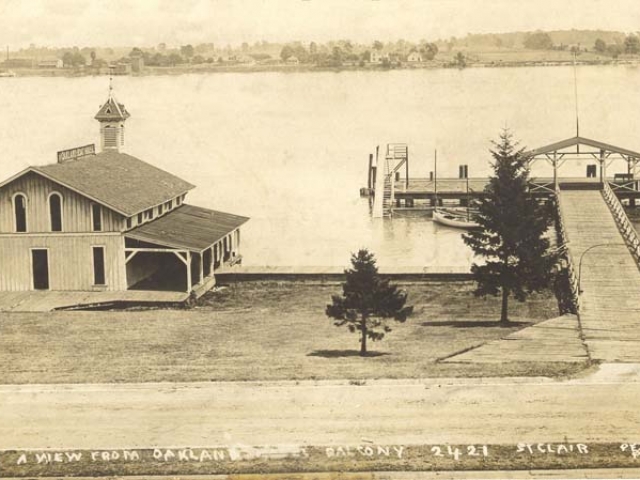
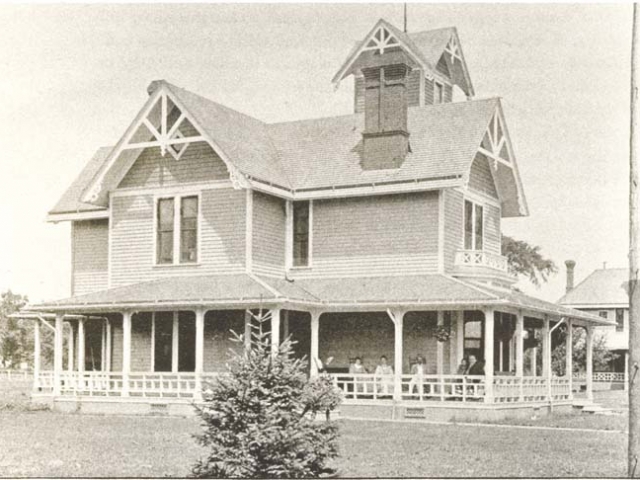
The Oakland Hotel. St. Clair, Michigan

Somerville Hotel — The Sister Resort With A Shorter Run


From Girls’ School to Resort Hotel

  • The building that became Somerville Hotel originally housed a girls’ boarding school, Somerville School for Girls. By 1888, the school closed — and local businessman Mark Hopkins (son of Samuel Hopkins) saw an opportunity to convert the property into a second resort hotel in town. Thus the Somerville Hotel was born.

  • The choice of location — on the northern edge of St. Clair, fronting the river — was ideal: river views, easy steamer access, and proximity to the natural beauty clients sought.


Hotel Features: Comfort, Baths, Social Vibe.

The Somerville Hotel was built as a three-story resort, with:

  • A parlor, reading and writing rooms (amenities typically associated with genteel boarding schools or upscale institutions).

  • A large dining room, similar in purpose to Oakland’s — meant to feed and socialize guests.

  • A rear wing dedicated to “mineral springs” baths: 12 bathing rooms were available for guests seeking the therapeutic (or fashionable) benefits of mineral water baths.

  • Entertainment during summer: an orchestra played two to three nights per week for dining, dancing, and lounging. The hotel also maintained three cottages on the property, each with 7–8 rooms — offering a quasi-private retreat alternative.

Room rates ranged from $2 to $3 per day, or $10.50 to $14 per week — a reasonable rate for what was essentially a full-service resort in the 1890s.

The hotel quickly became a center for community celebrations and social gatherings. Weddings, summer festivities, vacations — the Somerville Hotel played host to it all.


Demise — Not Every Resort Survives the Tide

  • Despite its amenities and community role, the Somerville struggled financially. By 1917 — just under 30 years after opening — it closed.

  • In the early 1920s, the building was demolished. The property was subdivided and sold off for housing — meaning the physical traces of Somerville vanished, though its legacy remains in stories, archives, and local memory.


 What These Two Hotels Tell Us About the Era — And Why They Matter

  • Travel and tourism weren’t always a Detroit-to-Florida thing. In the late 1800s, a getaway to a mineral-springs resort in Michigan was the vacation wave — and St. Clair rode it hard with two giant hotels.

  • Wealth + ambition + geography = resort boom. The Hopkins family turned their resources and the town’s riverfront location into a vacation hotspot. River travel (steamers), natural springs, and leisure amenities created an appealing package.

  • Social norms and comfort evolved quickly. Hydraulic elevators, private closets, mineral baths, and steamship docks — by the standards of the 1880s–1890s, these were high-class luxuries.

  • Ephemeral but influential legacy. Both hotels are long gone physically — but their presence shaped St. Clair’s identity, economy, and built the foundation for the town’s later pivot toward lifestyle, recreation, and tourism (still visible today in riverfront parks, marinas, and the town’s affection for its past).

The Somerville Hotel. St. Clair, Michigan

Resources for this article

Sources used for hotel research

  • St. Clair Historical Museum — Oakland Hotel page. Historic St. Clair

  • St. Clair Historical Museum — Somerville Hotel page. Historic St. Clair

  • David V. Tinder Collection of Michigan Photography (University of Michigan Library digital collections). Quod Lib.

  • Thumbwind: “The Oakland Hotel: A Glimpse Into St. Clair’s Luxurious Past.” Thumbwind

  • Detroit Public Library Digital Collections (Somerville Hotel card / Pesha photo). digitalcollections.detroitpubliclibrary.org

  • Flickr / UpNorth Memories (historic postcard scans). Flickr