The math on compound interest is brutal — and most people...Continue reading→


Michigan Business – News – History
At a quiet intersection outside Brown City, Michigan, a large Victorian mansion rises unexpectedly from the rural landscape. Weathered, imposing, and unmistakably old, the structure known as the Bruce Mansion commands attention not because of grandeur alone, but because of the reputation it carries.

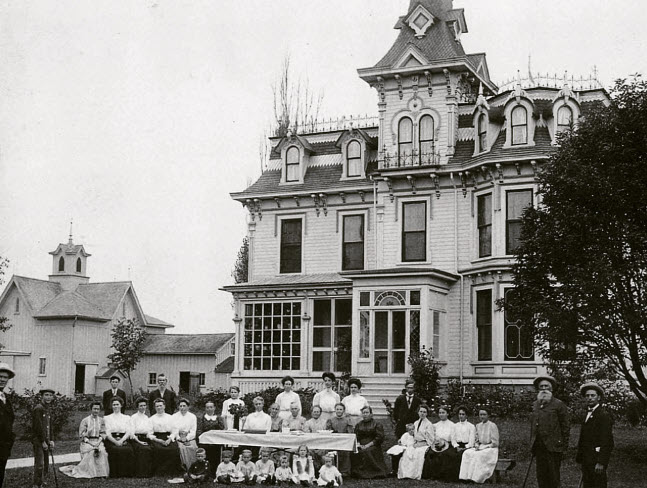
Built in 1876, the home was commissioned by John G. Bruce, a Scottish immigrant who found success in Michigan’s booming lumber industry. At the time, the surrounding community — then known as Burnside — was growing rapidly, fueled by timber, agriculture, and railroad expansion. The mansion reflected ambition and permanence, a statement that Bruce intended to remain rooted in the region.
The house itself was substantial: three stories tall, topped with a bell tower, featuring ornate woodwork, tall windows, and a deep cellar. It was a residence meant to impress — and it did.
In September 1881, one of the deadliest wildfires in American history swept through Michigan’s Thumb. Entire towns were erased. Thousands were left homeless. Burnside was largely destroyed.
The Bruce Mansion survived.
While surrounding buildings burned, the mansion remained standing — a stark, unsettling contrast to the devastation around it. In the aftermath, the house became a visual anomaly: intact amid ashes, upright where everything else had fallen. That survival alone elevated the home beyond architecture and into memory.

For residents rebuilding their lives, the mansion’s endurance felt unusual. For later generations, it felt ominous.
This moment marked the beginning of the Bruce Mansion’s transformation from historic home to something more symbolic — a structure tied to catastrophe, survival, and unanswered questions.
As decades passed, ownership of the Bruce Mansion changed hands many times. Rapid turnover became part of its story, particularly in the early 20th century. Some owners stayed briefly; others left under financial strain or personal hardship.
During one period, the mansion was used to host funerals — a common practice in small communities before the rise of funeral homes. Bodies were laid out inside the home, mourners gathered in its rooms, and grief became part of the building’s lived experience.
Death, once introduced, never fully left the narrative.
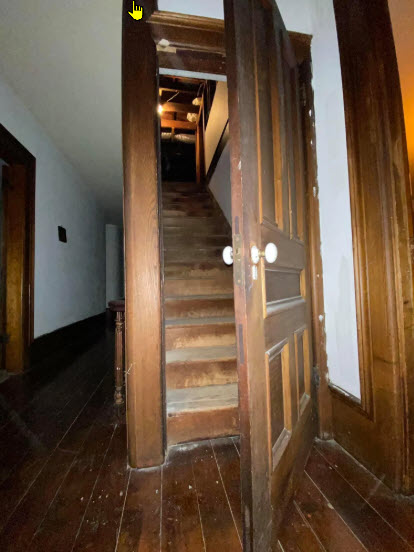
One of the most cited figures associated with the mansion is John Walker, a later owner whose life unraveled during his time there. Accounts describe marital breakdown, financial collapse, and an untimely death. Over time, rumors expanded: whispered stories of violence, concealment, and suicide found their way into local lore.
What can be confirmed is this: Walker’s life ended tragically, and his association with the house became central to its haunted reputation. What cannot be confirmed is how much of the darker narrative surrounding him reflects fact versus the human tendency to fill silence with story.
By the mid-to-late 20th century, the Bruce Mansion was no longer discussed simply as an old house. It had become a place where people expected strange things to happen.
Reports accumulated slowly at first — footsteps when no one else was present, voices heard in empty rooms, doors opening on their own. Over time, stories grew more elaborate. Visitors claimed to see shadowy figures in windows. Others described growling sounds from the basement or sensations of being watched.
Animals entered the legend, too: a ghostly dog, a cat glimpsed and gone moments later. These details, repeated often enough, became part of the mansion’s identity.
Importantly, no definitive evidence ever emerged. But belief does not require proof — only repetition, setting, and suggestion. The Bruce Mansion had all three.
In the early 2000s, the mansion entered its most public chapter. Paranormal investigators, ghost-hunting groups, and curiosity seekers descended on the property. Organized tours and overnight investigations brought national attention, turning a regional legend into a statewide curiosity.
Electronic equipment, infrared cameras, and spirit boxes were used inside the house. Participants reported voices, movement, and unexplained readings. Skeptics pointed out environmental factors: old wiring, shifting foundations, animals, and suggestion.
Both sides agreed on one thing — the mansion felt unsettling.
Atmosphere became evidence, and the legend spread faster than ever through photos, blogs, and word of mouth.
Eventually, the property changed hands once more. Public tours ended. Paranormal events stopped. The Bruce Mansion returned to private ownership.
Today, it stands quietly, visible from the road but inaccessible. Trespassing is discouraged. The house no longer hosts investigations or visitors seeking proof of the afterlife.
Yet its reputation persists.
The Bruce Mansion remains one of Michigan’s most talked-about haunted homes not because of confirmed paranormal activity, but because of how its story formed — layer by layer, tragedy by tragedy, rumor by rumor.
Many old houses experience death. Many survive disasters. Few become legends.
The Bruce Mansion sits at the intersection of coincidence and narrative: a grand house that survived a historic fire, changed owners frequently, hosted funerals, and became associated with personal tragedy. Those facts alone invite speculation.
The haunting persists because the story makes sense emotionally, even if it remains unproven.
In the end, the Bruce Mansion may not be haunted by spirits — but it is undeniably haunted by memory.
RESOURCES

 BodhiJack’s Pearls of Wisdom…