"It is not that we have a short time to live, but that we waste a lot of it." - SenecaContinue reading


Michigan Business – News – History
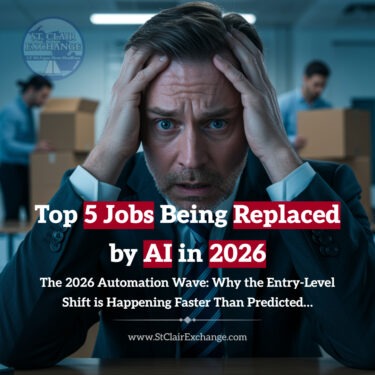
Automation is accelerating. Learn which entry-level jobs AI is replacing this year.
The job market is shifting faster than most people realize. While AI won't replace every worker overnight, certain roles - especially entry-level positions heavy on data processing and repetitive tasks - are seeing dramatic changes right now. If you're in one of these fields (or considering them), here's what you need to know about the automation wave hitting in 2026.
Why they're vulnerable: These roles built entire careers on tasks that AI now crushes - financial modeling, data synthesis, presentation building. What used to take a junior analyst hours now takes generative AI seconds.
The numbers: Citigroup found that 54% of financial jobs face high automation risk, the highest of any sector. Revelio Labs tracked a 35% drop in U.S. entry-level postings from 2023 to mid-2025, with AI-exposed roles like financial analysts hit hardest. Meanwhile, OpenAI is literally training models on ex-McKinsey consultant and banking tasks to automate the grunt work.
What this means: Senior roles requiring judgment and client relationships? Still safe. But that traditional entry-level path - where you paid your dues building models and decks - is evaporating. New grads need to think about upskilling in AI oversight or pivoting industries entirely, because the bottom rung of the career ladder is getting pulled out from under them.
Why they're vulnerable: Document review, e-discovery, basic legal research - these aren't just tedious, they're perfect for AI. Tools like CoCounsel and Lexis+ AI can summarize thousands of documents, flag risks, and pull relevant case law in minutes, cutting review time by up to 50%.
The reality check: Surveys show 77% of legal professionals already use AI for document review - it's the top application in law. Big firms like Sidley Austin and DLA Piper are piloting AI for discovery and contracts, which means fewer billable hours for junior associates doing the same work.
What this means: Overall lawyer employment held steady for recent grads in 2024, but experts warn that's about to change. AI handles volume incredibly well but can't touch the nuanced judgment needed for complex cases or ethical decisions. The new model? Hybrid work where AI does the heavy lifting and humans focus on strategy. Great for efficiency, tough for the traditional "learn by doing" associate path in Big Law.
Why they're vulnerable: Data entry, reconciliations, ledger maintenance, basic audits - these follow clear rules and involve massive data volumes. AI with optical character recognition scans documents and machine learning spots anomalies in real time, making these tasks essentially instant.
The data: Stanford research shows AI users finalize financial statements 7.5 days faster and cut back-office time by 8.5 days. Gartner predicts 15% of daily accounting decisions will be autonomous by 2028. The World Economic Forum lists bookkeeping among the fastest-declining roles, with up to 80% of repetitive tasks potentially automated by 2027.
What this means: This doesn't eliminate accountants - it shifts them to advisory, compliance oversight, and exception handling. Think less number-crunching, more strategic insight like forecasting and client advice. Demand for tech-savvy CPAs actually remains strong amid talent shortages, but entry-level bookkeepers and clerks? Their roles are disappearing fast.
Why they're vulnerable: Modern AI chatbots handle routine queries - FAQs, account updates, basic troubleshooting - faster and more consistently than humans, with 24/7 availability. Some AI agents can handle the workload of ten employees while boosting customer satisfaction by 15%.
The shift happening now: 86% of customer service teams are testing or using AI. Gartner forecasts massive labor cost cuts, and HubSpot found that 72% of leaders believe AI outperforms humans on certain tasks. The winning formula? Hybrid models where AI tackles scale and humans manage emotional or complex cases - achieving 87% resolution rates versus pure AI's 74%.
What this means: Entry-level rep positions are declining as automation covers most interactions, but empathy-driven support roles persist. The job isn't disappearing - it's evolving toward oversight and escalation. Companies report seamless scaling without proportional hiring, which improves efficiency but fundamentally changes what "customer service" means as a career path.
Why they're vulnerable: Junior devs historically learned by writing boilerplate code, basic debugging, and simple feature implementation. AI tools now handle all of this rapidly. Anthropic's internal data shows engineers use Claude daily for debugging (55%) and code understanding, with CEO Dario Amodei predicting AI will replace most software engineering tasks within 6-12 months.
The troubling trend: Entry-level hiring in AI-exposed tech roles dropped sharply per Stanford and Revelio Labs. Observational studies reveal AI speeds work but reduces skill mastery by 17% on quizzes, especially for debugging. Teams of 4-5 AI-assisted engineers now outperform teams of 20 without AI.
What this means: This breaks the traditional career ladder. Juniors used to build expertise through repetition, but AI eliminates much of that grunt work. While seniors focus on architecture and complex problem-solving, entry-level developers face fewer opportunities unless they pivot to prompt engineering or AI supervision. Productivity soars, but concerns grow over skill gaps in environments that still need human oversight.
Worth mentioning: Qualtrics' 2025 report found 71% of researchers expect synthetic AI-generated responses to dominate over half of data collection within three years, while 72% believe AI predicts trends more accurately than humans. Bloomberg cited 53% task automation for analysts - far higher than managerial roles.
The takeaway: Tools process unstructured data like social media and reviews for instant sentiment analysis. This shifts analysts from data gathering to interpretation and strategy - AI handles volume and prediction, but humans provide context and ethical oversight. Research that used to take weeks now happens in minutes.
Notice a pattern? These aren't random jobs - they're specifically roles where:
• The work is repetitive and rule-based
• Volume matters more than nuance
• Entry-level workers learn by doing tasks AI now does instantly
The jobs aren't vanishing entirely - they're transforming. Senior roles requiring judgment, creativity, and complex human interaction remain secure. But the traditional entry point into these careers? That's what's being automated away.
If you're in one of these fields:
• Focus on developing skills AI can't replicate - strategic thinking, client relationships, ethical judgment
• Learn to work alongside AI rather than compete with it
• Consider roles in AI oversight, prompt engineering, or adjacent fields where human expertise amplifies AI capabilities
• Stay informed - this shift is happening faster than most career advisors realize
The good news? Understanding these trends now gives you time to adapt. The careers of 2030 will look different from 2020, but the workers who see this coming and adjust accordingly will be the ones who thrive.
Put your subconscious mind to work!
1. **jobs being replaced by AI 2025**
2. **entry level jobs automation**
3. **AI replacing finance analysts**
4. **junior lawyer jobs AI automation**
5. **customer service jobs AI chatbots**
6. **accounting jobs automated by AI**
7. **junior software developer AI replacement**
8. **careers most at risk from AI**
9. **AI automation entry level positions**
10. **future of work AI 2026**
11. **which jobs will AI replace first**
12. **AI impact on junior roles**
13. **entry level career ladder disappearing**
14. **AI tools replacing paralegals**
15. **bookkeeping jobs automation risk**
16. **financial analyst positions declining**
17. **AI customer support replacing humans**
18. **junior developer jobs AI threat**
19. **market research analyst automation**
20. **careers safe from AI automation**
"It is not that we have a short time to live, but that we waste a lot of it." - SenecaContinue reading
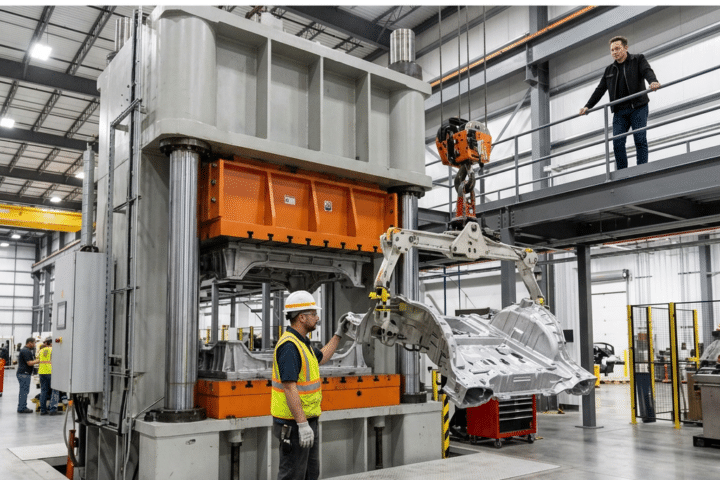
Tesla brought its first Giga Press online in 2020 at the Fremont plant. The machine clamps with roughly 6,000 tons of force and fires molten aluminum into a mold.Continue reading
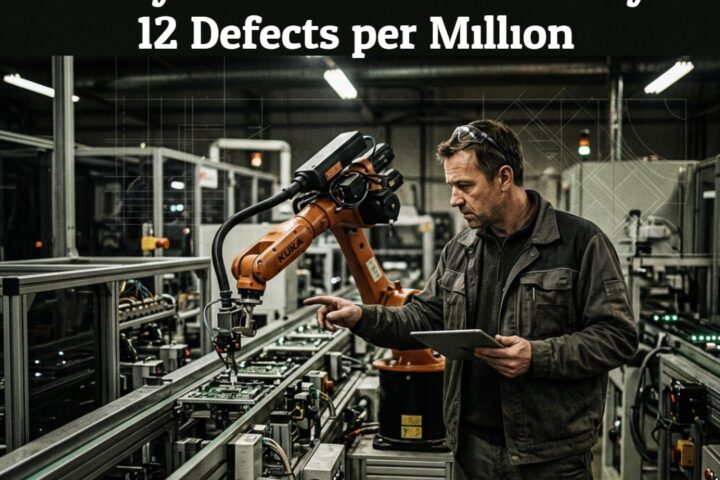
Siemens runs its Electronics Works in Amberg, Germany, where about 75% of the value chain is handled by machines and computers…Continue reading


"It is not that we have a short time to live,...Continue reading→
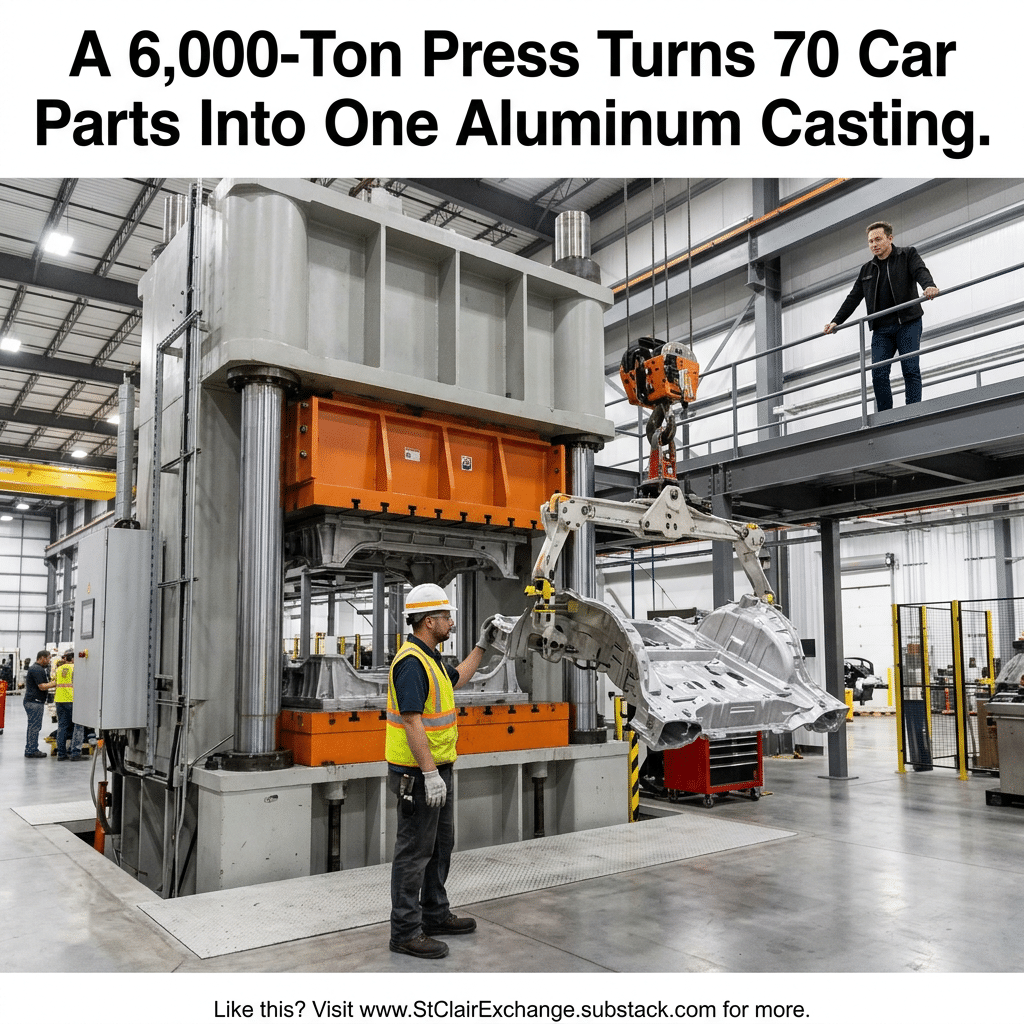
Tesla brought its first Giga Press online in 2020 at the...Continue reading→

Siemens runs its Electronics Works in Amberg, Germany, where about 75%...Continue reading→
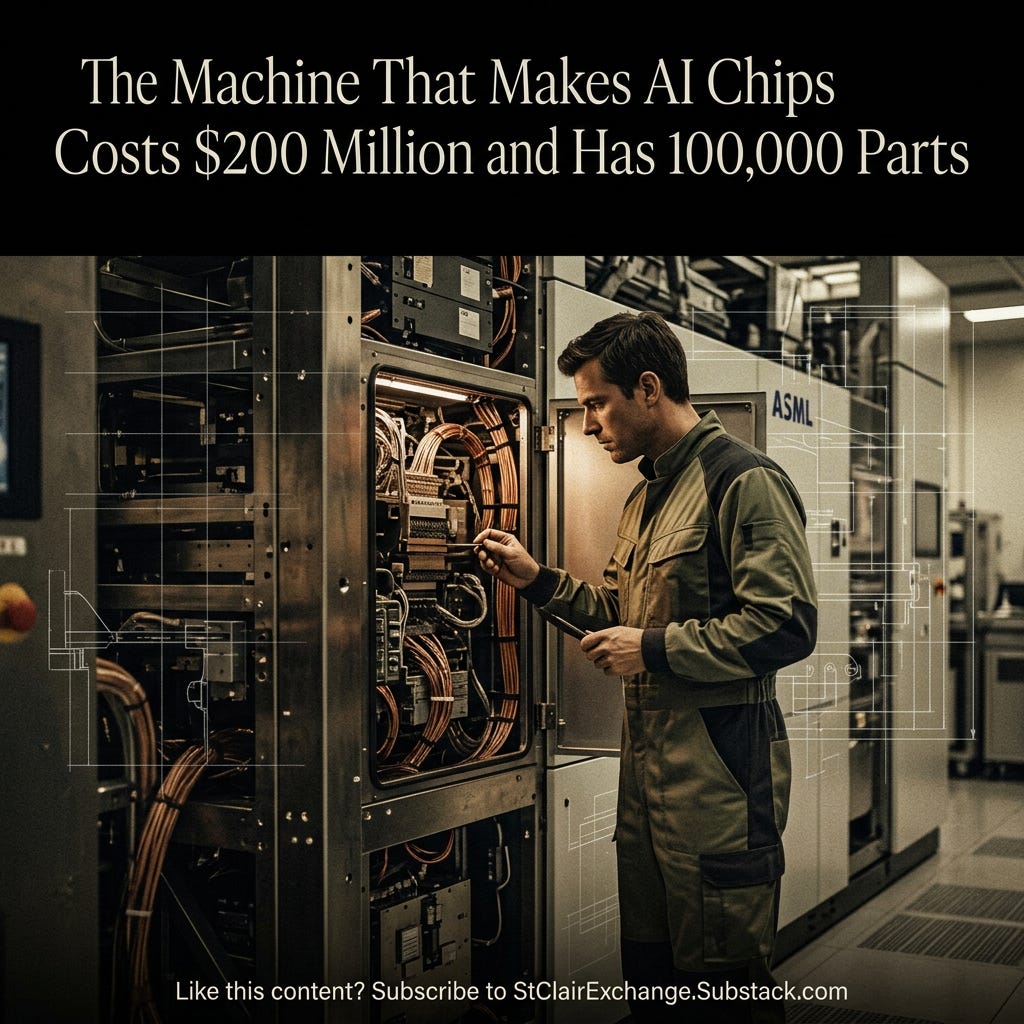
ASML, the company you nerver heard of.Continue reading→

 BodhiJack’s Pearls of Wisdom…