The math on compound interest is brutal — and most people...Continue reading→


Michigan Business – News – History
On quiet evenings along the St. Clair River, when freighters slide past like floating cities and the wind carries the smell of water and steel, Murphy Inn does something unusual.
It listens.
The building sits low and steady along 505 Clinton Ave in St. Clair, MI 48079, its brick walls weathered but unyielding. From the outside, it looks calm—almost polite. But step inside, and the sense of time begins to slip. Floorboards creak where they shouldn’t. Doors seem heavier than expected. Guests sometimes pause mid-step, unsure why they feel watched.
Murphy Inn does not advertise itself as haunted.It doesn’t need to.
Its reputation grew the old-fashioned way—through whispered stories, personal experiences, and generations of locals quietly nodding when its name comes up.
To understand why, you have to go back to a time before Michigan was even a state.

Murphy Inn began life in 1836, the same year Michigan was still a territory and just one year before it achieved statehood. Originally called The Farmers’ Home, the building was constructed as a boarding house for travelers, river workers, and horse traders moving along one of the busiest waterways in the Midwest.
At the time, the St. Clair River was not scenic—it was strategic.
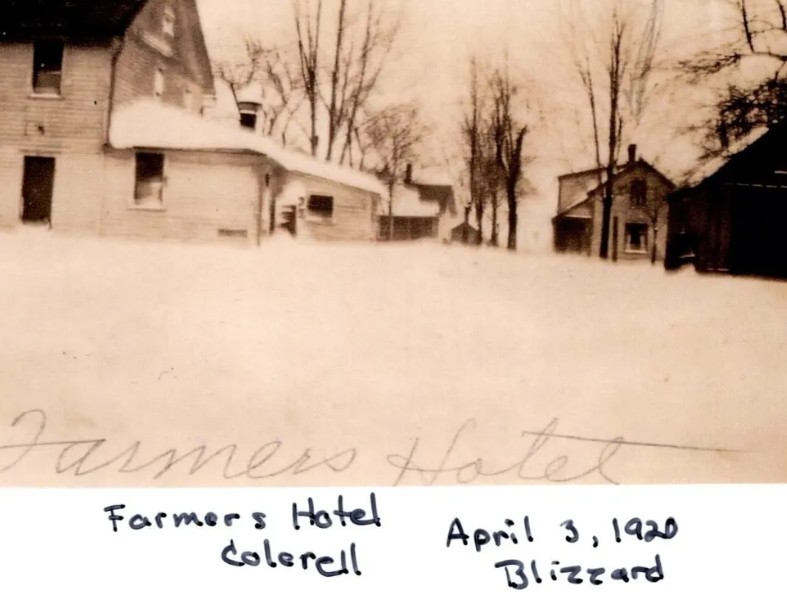
Steamships docked daily. Horses were unloaded and stabled nearby. Lumbermen, merchants, sailors, and speculators passed through in steady waves. The boarding house offered food, drink, warmth, and beds to men who often stayed only a night—or vanished from records entirely.
This was not a luxury inn. It was a working man’s refuge.
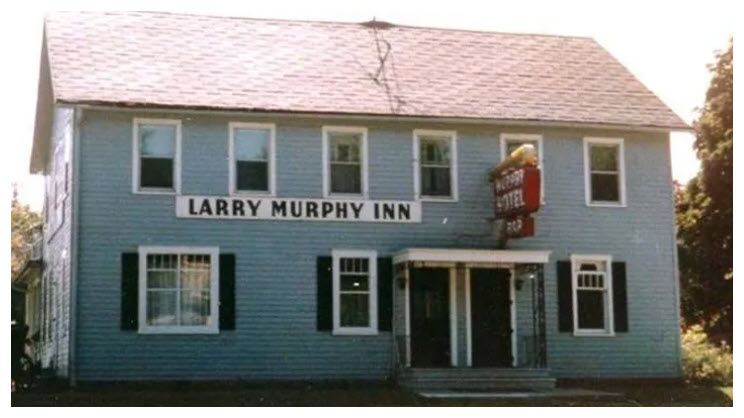
The building changed hands and names over the decades, becoming known as the Scheaffer Inn before eventually taking on the Murphy name. Through fires, floods, economic crashes, and wars, it remained standing—expanded, restored, and reshaped, but never erased.
Few buildings in St. Clair County can claim the same uninterrupted physical presence.
Murphy Inn didn’t just witness history—it absorbed it.
From its windows, guests saw:
The transition from sail to steam
The rise and fall of river commerce
Soldiers passing through during the Civil War era
Prohibition agents and bootleggers navigating the river border
Automobiles slowly replacing horses and ferries
Every era left its fingerprints behind.
Unlike purpose-built hotels, boarding houses like this one were intimate spaces. Guests ate together. They shared stories, drank heavily, argued loudly, and slept in rooms that echoed with the sounds of the river outside.
And sometimes, they died there.
Records from the 19th century rarely documented deaths in boarding houses unless violence or scandal was involved. Illness, accidents, or quiet passing often went unrecorded. In a building that has hosted thousands over nearly two centuries, absence of records does not equal absence of death.
That ambiguity is where the haunting stories begin.
Ask the staff if the Inn is haunted, and you’ll rarely get a dramatic answer. What you’ll get instead are stories told carefully—often reluctantly.
Certain rooms—most often the Devonshire and Lancaster rooms—are mentioned repeatedly in guest accounts. Visitors describe similar experiences without prior knowledge of the building’s reputation, a detail that has kept the stories alive.
One recurring figure appears in local lore: a woman in period clothing, sometimes seen near stairways or hallways, sometimes only sensed rather than seen. She has been nicknamed “Mrs. Murphy” by some, though there is no historical proof of her identity.
What’s notable is not what people see—but how consistently they describe it.
No chains rattling. No screaming apparitions. Just presence.
Murphy Inn stands apart from many so-called haunted locations because it lacks sensationalism. There are no fabricated tragedies tied to it. No asylum horrors. No staged theatrics.
Instead, its reputation grew quietly, built on:
Guest log comments
Staff anecdotes shared off the clock
Paranormal teams requesting access—not publicity
This restraint lends credibility. In folklore, the most enduring hauntings are rarely loud. They are subtle, personal, and difficult to dismiss.
There’s a reason Murphy Inn is remembered while countless other boarding houses vanished.
It never stopped being used.
Buildings that remain occupied retain memory. They are heated, walked through, altered—but never emptied. Some paranormal researchers believe long-term human activity allows emotional impressions to linger, especially in places tied to travel, uncertainty, and transition.
Murphy Inn has always been a place of arrivals and departures.
And not all departures feel complete.
One of Michigan’s oldest continuously operating inns, predating statehood
Originally served riverboat crews and horse traders, not tourists
Located steps from an international waterway known historically for smuggling and border intrigue
Features original structural elements embedded within later restorations
Has hosted thousands of overnight stays—many unrecorded by name
The building remembers even when records do not.
Unlike abandoned hospitals or shuttered hotels, Murphy Inn remained woven into daily life. It adapted without erasing its past.
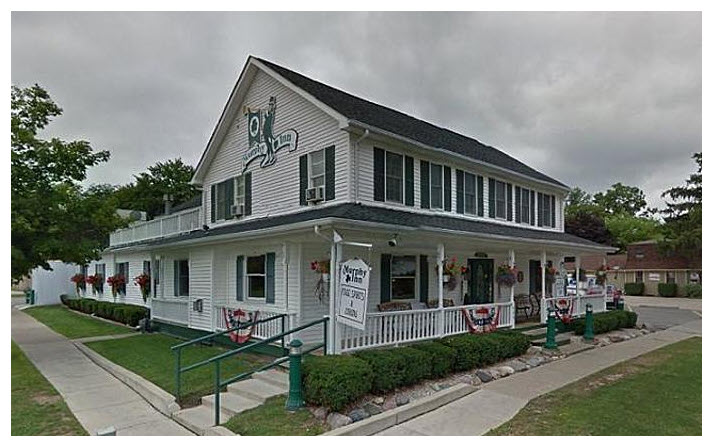
Where many haunted sites are frozen relics, Murphy Inn is alive—serving food, pouring drinks, hosting guests. That continuity prevents it from becoming myth-only.
It exists in the uncomfortable middle ground between history and experience.
And that’s where the best stories live.
Murphy Inn doesn’t demand belief. It offers something rarer.
It offers time.
Time layered in wood and brick. Time remembered through sensation rather than documents. Whether the stories are paranormal truth or psychological echo hardly matters.
What matters is this:
Few places in St. Clair County have listened to so many lives pass through—and still stand to tell the tale.
Murphy Inn
505 Clinton Avenue, Saint Clair, MI, 48079
810-329-7118
Murphy Inn on Facebook
Article Resources:
Murphy Inn History, Murphy Inn, n.d., https://murphyinn.com/history
St. Clair County Historical Overview, St. Clair County Historical Commission, n.d., https://www.stclaircounty.org
Haunted Thumb Coast, Blue Water Area Convention & Visitors Bureau, n.d., https://www.bluewater.org
If you found this story compelling, share it with someone who loves Michigan history, river towns, or the unexplained. Some places deserve to be remembered—especially the ones that never truly sleep.

 BodhiJack’s Pearls of Wisdom…